EXPLAINER / FOOD SAFETY
Food adulteration tests at home: what the results actually mean.
A home check can help you ask a better question. It should not turn an uncertain observation into a claim that food is definitely pure, definitely adulterated or safe to eat.
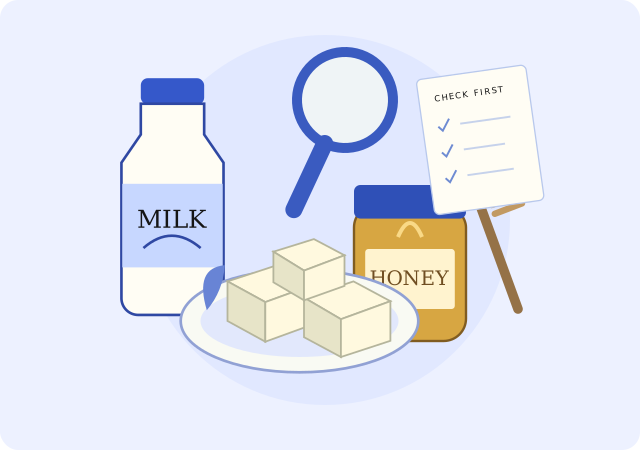
Start with a question you can investigate
“Is this food fake?” sounds simple, but it bundles many different questions together. A product might have a misleading label, a storage problem, an undeclared ingredient or a concern about a particular adulterant. The right next step depends on which issue you are investigating.
Before looking for a test, write down the observation. Perhaps the package was not sealed, the product was delivered warm, or a seller made a specific purity claim. Record what you actually noticed without jumping to a cause. A clear description helps a seller, testing service or authority understand the concern.
Keep the product name and label in view. Comparing a product sold as a dairy alternative with a product sold as paneer requires attention to what each actually claims to be. A photograph on social media rarely supplies this context.
Screening and confirmation answer different questions
A screening check is an initial way of investigating a defined concern. Confirmation requires an appropriate method, a suitable sample and interpretation of the result. A broad statement about purity needs more evidence than an informal observation.
A method may be useful for one substance without detecting unrelated substances. That is why a negative result cannot be extended into a universal guarantee. The question should be “what does this method address?” rather than “did the food pass?”
The method itself matters. An unknown reagent, a changed quantity or a contaminated container can make an observation difficult to interpret. A short video may omit preparation steps or controls. Consult the original instructions before considering any procedure, and avoid using a method whose purpose you do not understand.
Why a reassuring result can still mislead
People understandably want a simple answer before serving food to a family. This makes a dramatic visual test appealing. The difficulty is that one reassuring result can cause someone to ignore an unrelated problem. Do not use a home test to overrule damaged packaging, poor storage or other reasons for avoiding consumption.
Likewise, do not diagnose the cause of illness from a kitchen demonstration. If someone is unwell, seek suitable medical help. A consumer awareness page cannot determine whether a particular food caused symptoms.
Three common foods, three different questions
Paneer: do not turn texture into a verdict
When people search for a fake paneer test, they often encounter squeeze, heat or iodine demonstrations. Begin by identifying the product and its declared ingredients. Texture can vary, so an unusual feel is not enough to establish composition.
A screening method aimed at starch concerns that particular substance under the specified conditions. It cannot establish that every ingredient is as declared. Our paneer guide explains the checks and documentation to consider before making a claim.
Milk: separate storage, spoilage and composition
A concern about milk can begin with a damaged seal, an unusual smell or a demonstration seen online. These starting points should not be treated as equivalent. Check the batch information and storage history, and do not taste questionable milk to investigate it.
Foam, flow and appearance can be affected by the conditions of an informal comparison. Avoid assigning a precise cause from one observation. Read the milk purity guide for a more careful way to frame the question and preserve useful details.
Honey: a dramatic challenge is not comprehensive analysis
Honey videos often show a water, thumb or flame demonstration and end with a confident purity claim. A single household challenge cannot rule out all possible forms of adulteration. A seller’s demonstration should not replace traceable product information.
Do not use a flame challenge. If a seller supplies a laboratory report, check that it actually relates to the product and batch being offered, and understand which question the analysis addresses. Our honey guide explains why a narrower claim is more useful than a universal “passed” label.
Use original instructions and avoid improvisation
FSSAI provides public awareness material about food adulteration. Start with its official consumer resources and follow an applicable method exactly. A social-media summary can leave out details that affect both interpretation and safe handling.
Do not mix food with household cleaners or unidentified chemicals. Keep any test material away from food preparation areas and children. Do not consume a sample that has been treated with a test reagent. If a process seems risky or unclear, do not attempt it.
Keep evidence that another person can understand
A useful record identifies the purchase and describes the concern. Save the receipt, seller details, product label, batch number and date. Photograph the package in a way that keeps text legible. Retain messages containing specific product claims.
If you performed a recognised screening method, record the source of the procedure and describe the observation without exaggerating it. Avoid editing a video so heavily that important context disappears. Keep original files where possible.
Ask a testing service how it wants a sample collected and stored before sending anything. Adding reagents or combining multiple packages can compromise the sample’s usefulness. The service can explain the quantity, packaging and information it needs for the question being asked.
Choose a proportionate next step
Begin with the seller when it is appropriate to ask about the label, batch or refund. Give a factual description of the concern and keep the response. If the issue remains unresolved, an official consumer grievance route can help you understand the available process.
The National Consumer Helpline provides a route for consumer grievances. Food-specific concerns may require guidance from the relevant food safety authority or a suitable laboratory. Keep private information out of public posts and avoid presenting an unconfirmed suspicion as a finding against a named business.
Do not assume a replacement product answers the original question about composition. Equally, do not assume a refund is an admission of adulteration. Keep the evidence and the resolution separate so your account stays accurate.
Questions to ask before sharing a test video
- What precise substance or issue does this method address?
- Can I find the original instructions and their limits?
- Does the video show enough context to interpret the observation?
- Is the conclusion narrower than the evidence, or broader?
- Could someone mistake the result for permission to consume questionable food?
Sharing careful context is more useful than sharing a confident label. Link the original source and explain any uncertainty. A guide can help someone make a better decision even when the honest answer is that stronger evidence is needed.
Build a habit, rather than chasing a perfect test
Choose traceable sellers, read labels, follow storage instructions and keep receipts. These habits make it easier to prevent avoidable problems and follow up when something seems wrong. Home tests are only one possible part of that process.
Explore our food checks hub for a specific product, and read our editorial approach to understand how we separate observations from conclusions. This article is educational awareness material and does not certify food or replace professional testing.