
FOOD CHECKS / PANEER
Real paneer or a reason to pause?
Understand starch screening, label checks and why texture alone cannot confirm purity.
Read the paneer guide →
A LITTLE CHECK. A SAFER CHOICE.
Is that paneer genuine? Can you trust a loan app? Is that shopping deal too good to be true? Find practical consumer safety guides for everyday decisions in India.
Clear steps · Official sources · Honest limits
FIND YOUR STARTING POINT
Choose a topic or search the guide titles. Open a guide for the complete explanation and its limits.
5 guides available
No matching guide. Try a shorter word or choose All guides.
All guide links remain available without JavaScript. Filtering needs JavaScript.
START WITH WHAT YOU NEED
Choose a guide. Know what to look for.
Understand what a check can actually tell you.
FOOD CHECKS / PANEER
Understand starch screening, label checks and why texture alone cannot confirm purity.
Read the paneer guide →
FOOD CHECKS / MILK
Learn which warning signs deserve attention and why a single kitchen test has limits.
Read the milk guide →
FOOD CHECKS / HONEY
Water, flame and thumb tests are widely shared. Find out why they are not proof of purity.
Read the honey guide →
A SAFER DIGITAL EVERYDAY
Logos, star ratings and a padlock can look reassuring. Before sharing documents or making a payment, check the organisation behind the screen.
Check a loan appMatch the app to its lender and read the terms. ↗Check a shopping websiteLook beyond HTTPS, discounts and social ads. ↗
TRY A PRACTICAL CHECKLIST
Tick the steps you have completed.
No personal information is requested.
0 of 5 steps reviewed
Completion records the steps you reviewed. It does not certify food, approve a lender or guarantee that a seller is safe. Choices are temporary and reset when you reload.
HOW TO USE THESE GUIDES
Write down what you want to verify: an ingredient, a lender, a seller or a payment request. A narrow question is easier to investigate than a broad claim that something is “100% genuine”.
Compare the package, receipt, official directory and source website. A forwarded video or a seller’s own testimonial should not be your only source. Save what you find before paying.
A home observation is a screening clue, not a laboratory result. A lender listing is one verification step. If the evidence is unclear, pause the purchase and use an appropriate official reporting route.
THE DEEPER READ
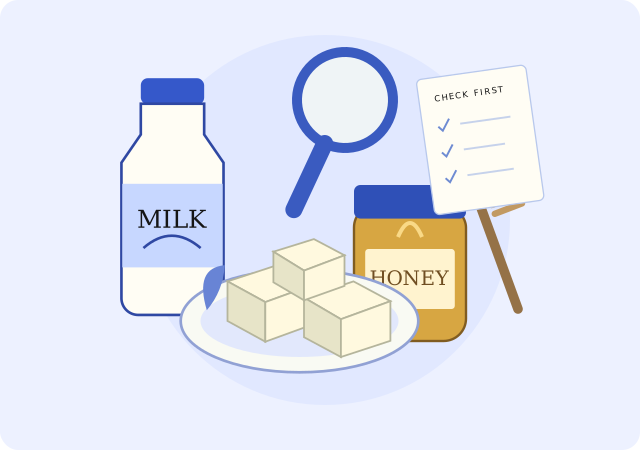
Many viral “real or fake” videos turn one observation into a confident verdict. Our in-depth guide explains screening, false reassurance and what to document when you suspect adulteration.
Learn how to choose a useful test, avoid risky experiments and move from suspicion to a more reliable answer.
A QUICK KNOWLEDGE CHECK
Choose an answer to reveal the explanation. These examples teach verification habits rather than assess a real product or business.
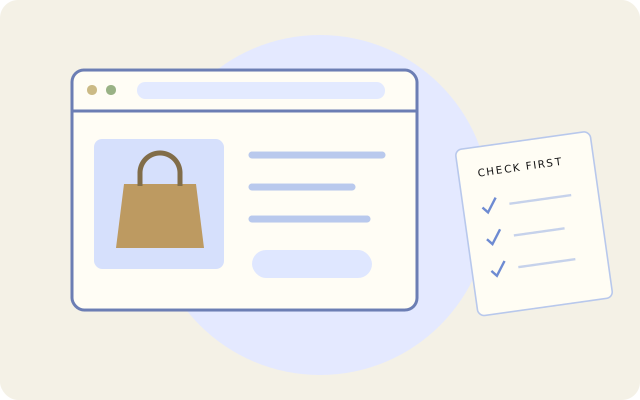
HTTPS protects the connection. Check the business identity, independent evidence, policies and payment details as well.
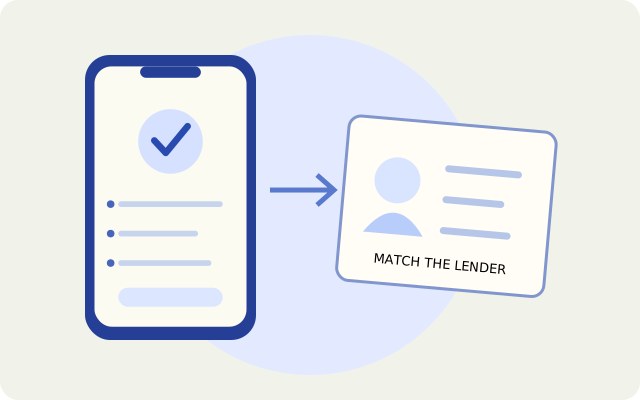
Logos can be copied. Compare the exact app identity and lender relationship using independent official sources before sharing information.
A method addresses a defined question under specific conditions. It cannot rule out every other problem or replace suitable testing.
All three claims are false. Read the food and digital safety guides to understand why. Answer feedback needs JavaScript.
QUESTIONS WE HEAR OFTEN
No. A check may suggest a particular issue under particular conditions. It cannot rule out every adulterant or confirm that food is safe to eat. Use the food guides to understand the limits and seek appropriate testing when needed.
No. Check the named lender, exact app identity and the lender’s own website. Directory inclusion should not be treated as a recommendation to borrow. Our loan app guide explains the checks.
HTTPS protects the connection. It does not prove that the seller is honest or that an order will arrive. Check independent reviews, seller identity, refund terms and payment details together.
No. Real or Fake India is an independent educational project by the Fake Detectors team. We link to official resources, but we do not certify products, approve apps or provide laboratory testing.
WHEN SOMETHING DOESN’T ADD UP
Save the receipt, package, seller details and transaction reference. For suspected online fraud, contact your payment provider promptly and use the official cybercrime portal. For consumer grievances, start with the National Consumer Helpline.
Our food content points readers to FSSAI resources. Our digital safety guides point readers to RBI and official complaint channels. Every guide separates practical observations from conclusions that need stronger evidence. Read our editorial approach before relying on a checklist, and consult the original source for current instructions.
PUT THE CHECK IN CONTEXT
A label saying “pure”, an app saying “instant approval” and a shop saying “official outlet” are different claims. Ask what evidence would support the exact statement. A broad promise is difficult to verify until you break it into smaller questions.
For food, begin with the product name and ingredient declaration. For a loan, identify the organisation lending the money. For shopping, identify the business that will take payment and fulfil the order.
A screenshot without a source can lose important context. Look for the original website, document or packaging. Compare names, dates and batch information rather than relying on a logo that can be copied.
When a seller provides a certificate, ask which product or batch it covers and what the test actually measured. When an app names a lender, verify that relationship independently through the lender and official resources.
Decide what you need to see before proceeding. If seller details conflict, a test procedure is unclear or a payment request goes to an unrelated person, pause. Pressure to act immediately should not replace evidence.
There may be no instant answer. Choosing not to proceed while you investigate is a useful outcome. A checklist should support your judgment without promising certainty that the evidence cannot provide.
A starch screening method does not answer every question about food. HTTPS does not answer every question about a seller. Consider the untested possibilities before turning a reassuring result into a guarantee.
Keep a record that another person can understand: what you bought, what you observed and which source you used. This makes an enquiry, complaint or request for professional testing more useful.
EVERYDAY SITUATIONS
Illustrative scenarios for learning.
These are not reports about named businesses.
You notice an unfamiliar texture after cooking. Keep the packet and receipt, read the label and describe the observation. Texture alone does not establish that the product is adulterated.
Choose the paneer guide to understand what a particular screening method can address. If you need a stronger answer, ask about suitable analysis rather than declaring a verdict from a squeeze test.
An advertisement promises a loan and displays official-looking branding. Before sending documents, identify the named lender and compare the app identity with independent official information.
Use the loan app checklist. A matching name is only part of the process: the terms, charges, permissions and grievance route still deserve your attention.
A social advertisement leads to a new shopping site with a countdown and a large discount. Save the page, inspect the seller information and read the return terms before opening the payment screen.
Use the shopping website guide. If the identity or payment details do not make sense, let the timer expire while you investigate. A discount is not evidence of reliability.
KEEP A SIMPLE RECORD
Keep the brand and product name, batch number, purchase date and receipt. Photograph the label clearly. Record storage or delivery concerns without guessing their cause. If testing is needed, ask the service how the sample should be collected and kept.
Keep the full address, app developer name, claimed lender or seller and the communication that led you there. Save the terms you saw before accepting or paying. Record the transaction reference if money moved, and keep sensitive records private.
Describe events in order and distinguish what you observed from what someone told you. Keep original messages and images. Use official contact channels and share only the information necessary for the recipient to understand the problem.
PLAIN LANGUAGE, CLEAR MEANING
An initial check directed at a defined concern. Its result needs to be interpreted within the method’s limits. It is a reason to investigate further when appropriate, rather than a universal certificate.
Comparing a claim with evidence from a source you can identify. For example, checking whether an app’s named lender independently confirms the relationship is more useful than trusting a logo inside the app.
A stronger conclusion supported by an appropriate process and evidence. In food analysis, this may involve suitable laboratory methods. For an online purchase, no single check can promise how a seller will behave in the future.
For the full explanation, read what home food test results actually mean. Our aim is to help you make a more informed decision and recognise when the available information is insufficient.